






';
}
// Same .tc-room skeleton as renderRoomRow (avatar/info/top/bottom) so a group row matches the
// 1:1 rows visually — data-type="group" + data-gid instead of data-cid/data-uid is what the
// click-delegation in renderRooms() switches on. No online/typing indicator (doesn't apply to
// a group), and the avatar is a rounded square instead of a circle as the only visual cue
// distinguishing a group from a person, mirroring common chat-app convention.
function renderGroupRow(group) {
var gid = group.gid;
var name = group.name || '';
var lastMsg = group.lastMessage;
var preview = '';
if (lastMsg) {
preview = parseDisplayText(lastMsg.msm);
if (!preview) {
if (lastMsg.urlima && lastMsg.urlima.indexOf('public://') >= 0) preview = '📷';
else if (lastMsg.urlaudi && lastMsg.urlaudi.indexOf('public://') >= 0) preview = '🎵';
}
if (String(lastMsg.whosend) === String(userId)) preview = 'You: ' + preview;
} else {
preview = 'No messages yet';
}
var timeStr = group.updated ? fmtTime(unixToDbTimestamp(group.updated)) : '';
var unread = group.unreadCount > 0;
var active = activeGid === gid;
return '
';
}
var body = '';
if (msg.urlima === '_loading_') {
body += '
📷 Sending…
';
} else if (msg.urlima && msg.urlima.indexOf('public://') >= 0) {
var src = msg.urlima.replace('public://', FILES_BASE);
body += '';
}
if (msg.urlaudi && msg.urlaudi.indexOf('public://') >= 0) {
var asrc = msg.urlaudi.replace('public://', FILES_BASE);
body += '';
}
if (meta && meta.type === 'loc') {
body += locationLinkHtml(meta.lat, meta.lng);
} else if (!isSalt && text) {
body += '
' + linkifyText(escHtml(text)) + '
';
}
var time = fmtTime(msg.timestamp || '');
return '
'
+ metaHtml + body
+ '' + escHtml(time) + ''
+ '
';
}
// ── Render group messages ────────────────────────────────────────────────────
function renderGroupMessages(gid) {
var msgs = allGroupMsgs[gid] || [];
var $el = $('#tc-msgs');
var order = msgs.slice().reverse();
$el.html(order.map(renderGroupMsg).join(''));
$el.scrollTop($el[0].scrollHeight);
}
// Same shape as renderMsg(), plus a sender-name label on incoming bubbles — unlike a 1:1
// conversation, "not me" doesn't tell you who actually sent it. Reuses the identical
// urlima/urlaudi rendering, so images/audio sent from the Android app (or sendGroupImage()
// here) display correctly. Audio still has no send control in this web widget.
function renderGroupMsg(msg) {
var isMe = String(msg.whosend) === String(userId);
var side = isMe ? 'tc-out' : 'tc-in';
var parsed = parseInlineMeta(msg.msm || '');
var text = parsed.text;
var meta = parsed.meta;
var isSalt = (text.length === 18 && text.indexOf(' ') < 0);
var senderHtml = '';
if (!isMe) {
senderHtml = '
' + escHtml(msg.senderName || msg.whosend) + '
';
}
var metaHtml = '';
if (meta && meta.type === 'fwd') {
metaHtml = '
';
}
// ── Send (opc 11) ────────────────────────────────────────────────────────────
function sendMessage() {
var text = $.trim($('#tc-input').val());
if (!text || !activeCid) return;
$('#tc-input').val('').focus();
isTyping = false;
post({ opc: '11', userid: userId, cid: activeCid, msm: text, fid: '0' })
.then(function (resp) {
if (!resp) return;
var ok = (resp.resp === 3 || resp.resp === '3' ||
resp.resp === 11 || resp.resp === '11');
if (!ok) return;
var msg = {
id: resp.lastmid || String(Date.now()),
whosend: String(userId),
msm: text,
urlima: '',
urlaudi: '',
timestamp: new Date().toISOString().replace('T', ' ').substr(0, 19)
};
if (!allMsgs[activeCid]) allMsgs[activeCid] = [];
allMsgs[activeCid].unshift(msg);
renderMessages(activeCid);
if (socket && socket.connected) {
socket.emit('send-message', {
id: resp.lastmid,
chatId: activeCid,
from: String(userId),
to: String(activeUid),
message: text,
type: 'text'
});
}
});
}
// ── Send group message ───────────────────────────────────────────────────────
// Purely socket-based — group-message-send both persists (tc_group_message, via the
// signaling server) and delivers, unlike 1:1's HTTP-then-socket-notify split. The server
// echoes the message back to the sender too (see group-message-send in signaling-server-2.js),
// so onGroupSocketMessage() is what actually appends it here — no optimistic local insert.
function sendGroupMessage() {
var text = $.trim($('#tc-input').val());
if (!text || !activeGid) return;
if (!socket || !socket.connected) return;
$('#tc-input').val('').focus();
isTyping = false;
socket.emit('group-message-send', {
gid: parseInt(activeGid, 10),
from: userId,
message: text,
type: 'text',
localId: 'web-' + Date.now() + '-' + Math.random().toString(36).substr(2, 8)
});
}
// ── Send group image (group-message-send, type:"image") ─────────────────────
// Unlike 1:1 (HTTP upload then socket notify), groups have no HTTP upload endpoint —
// the server expects the raw file as a base64 string on the same socket event used for
// text (see group-message-send in signaling-server-2.js), and does its own resize/compress
// (sharp, 1024x1024 max, jpeg75) server-side before writing it and echoing "group-message"
// back to every member including the sender. That echo is what onGroupSocketMessage() uses
// to both confirm this optimistic placeholder (matched by localId) and actually display it.
function sendGroupImage(file) {
if (!activeGid) return;
if (!socket || !socket.connected) return;
if (pendingGroupImage) return; // one at a time — button is disabled meanwhile anyway
var gid = activeGid;
var localId = 'web-img-' + Date.now() + '-' + Math.random().toString(36).substr(2, 8);
pendingGroupImage = { gid: gid, localId: localId };
if (!allGroupMsgs[gid]) allGroupMsgs[gid] = [];
allGroupMsgs[gid].unshift({
id: localId, localId: localId, whosend: String(userId), senderName: myName,
msm: '', urlima: '_loading_', urlaudi: '', created: Math.floor(Date.now() / 1000)
});
renderGroupMessages(gid);
$('#tc-img-btn').attr('disabled', 'disabled');
// Safety net — if the server/socket never answers at all (disconnect mid-flight etc.),
// don't leave "Sending…" stuck forever (see the 1:1 image-send bug this mirrors).
var timeoutId = setTimeout(function () { onGroupMessageError({}); }, 20000);
compressImageIfNeeded(file, function (uploadFile) {
var reader = new FileReader();
reader.onload = function () {
clearTimeout(timeoutId);
if (!pendingGroupImage || pendingGroupImage.localId !== localId) return; // already cleared
var base64 = (reader.result || '').split(',')[1] || '';
if (!base64 || !socket || !socket.connected) { onGroupMessageError({}); return; }
socket.emit('group-message-send', {
gid: parseInt(gid, 10),
from: userId,
message: '',
type: 'image',
filedata: base64,
localId: localId
});
};
reader.onerror = function () {
clearTimeout(timeoutId);
onGroupMessageError({});
};
reader.readAsDataURL(uploadFile);
});
}
// Clears whatever group image send is currently in flight — used both for explicit
// "group-message-error" replies (bad file, not a member, rate-limited) and the
// client-side timeout above. Doesn't distinguish by localId: only one send is ever
// in flight at a time (the button is disabled meanwhile), so there's nothing to match.
function onGroupMessageError(data) {
if (!pendingGroupImage) return;
var gid = pendingGroupImage.gid;
var localId = pendingGroupImage.localId;
pendingGroupImage = null;
$('#tc-img-btn').removeAttr('disabled');
if (allGroupMsgs[gid]) {
allGroupMsgs[gid] = allGroupMsgs[gid].filter(function (m) { return m.localId !== localId; });
}
if (activeGid === gid && isOpen) renderGroupMessages(gid);
if (data && data.error) { console.warn('group image send failed:', data.error); }
}
// Resizes/re-encodes as JPEG when a file exceeds COMPRESS_THRESHOLD. Skips GIFs —
// redrawing to canvas would flatten an animated GIF to a single static frame.
// Falls back to the original file untouched if decoding/encoding fails for any reason.
function compressImageIfNeeded(file, callback) {
if (file.size <= COMPRESS_THRESHOLD || file.type === 'image/gif') {
callback(file);
return;
}
var img = new Image();
var url = URL.createObjectURL(file);
img.onload = function () {
URL.revokeObjectURL(url);
var scale = Math.min(1, COMPRESS_MAX_DIM / Math.max(img.width, img.height));
var canvas = document.createElement('canvas');
canvas.width = Math.round(img.width * scale);
canvas.height = Math.round(img.height * scale);
canvas.getContext('2d').drawImage(img, 0, 0, canvas.width, canvas.height);
canvas.toBlob(function (blob) {
callback(blob || file, !!blob);
}, 'image/jpeg', COMPRESS_QUALITY);
};
img.onerror = function () {
URL.revokeObjectURL(url);
callback(file);
};
img.src = url;
}
// ── Send image (opc 11I) ─────────────────────────────────────────────────────
function sendImage(file) {
if (!activeCid) return;
var tempId = '_img_' + Date.now();
if (!allMsgs[activeCid]) allMsgs[activeCid] = [];
allMsgs[activeCid].unshift({
id: tempId, whosend: String(userId), msm: '', urlima: '_loading_',
urlaudi: '', timestamp: new Date().toISOString().replace('T', ' ').substr(0, 19)
});
renderMessages(activeCid);
// .attr()/.removeAttr(), not .prop() — this site's jQuery predates 1.6 (which is
// when .prop() was introduced), and every other call in this file sticks to
// pre-1.6-safe APIs already.
$('#tc-img-btn').attr('disabled', 'disabled');
compressImageIfNeeded(file, function (uploadFile, wasCompressed) {
var form = new FormData();
form.append('opc', '11I');
form.append('userid', String(userId));
form.append('cid', activeCid);
form.append('image', uploadFile, wasCompressed ? 'upload.jpg' : file.name);
fetch(API_URL, { method: 'POST', body: form })
.then(function (r) { return r.ok ? r.json() : null; })
.then(function (resp) {
allMsgs[activeCid] = allMsgs[activeCid].filter(function (m) { return m.id !== tempId; });
if (resp && (resp.resp === 3 || resp.resp === '3') && resp.urlima) {
var msg = {
id: resp.lastmid || String(Date.now()),
whosend: String(userId),
msm: '',
urlima: resp.urlima,
urlaudi: '',
timestamp: new Date().toISOString().replace('T', ' ').substr(0, 19)
};
allMsgs[activeCid].unshift(msg);
if (socket && socket.connected) {
socket.emit('send-message', {
id: resp.lastmid,
chatId: activeCid,
from: String(userId),
to: String(activeUid),
message: '',
urlima: resp.urlima,
type: 'image'
});
}
}
renderMessages(activeCid);
})
.catch(function () {
allMsgs[activeCid] = allMsgs[activeCid].filter(function (m) { return m.id !== tempId; });
renderMessages(activeCid);
})
.then(function () { $('#tc-img-btn').removeAttr('disabled'); });
});
}
// ── Inline meta parser ────────────────────────────────────────────────────────
function parseInlineMeta(raw) {
if (!raw) return { text: '', meta: null };
if (raw.substr(0, FWD_MARKER.length) === FWD_MARKER) {
var end = raw.indexOf(META_ETX);
if (end < 0) return { text: raw, meta: null };
var sender = raw.substring(FWD_MARKER.length, end);
return { text: raw.substring(end + 1), meta: { type: 'fwd', sender: sender } };
}
if (raw.substr(0, REPLY_MARKER.length) === REPLY_MARKER) {
var rend = raw.indexOf(META_ETX);
if (rend < 0) return { text: raw, meta: null };
var parts = raw.substring(REPLY_MARKER.length, rend);
var sep = parts.indexOf(META_SEP);
var rsender = sep >= 0 ? parts.substring(0, sep) : parts;
var orig = sep >= 0 ? parts.substring(sep + 1) : '';
return { text: raw.substring(rend + 1), meta: { type: 'reply', sender: rsender, orig: orig } };
}
// Shared location — same "lat" + META_SEP + "lng" encoding the Android app writes
// (see LOC_MARKER / sendLocationMessage() in ActivityChat.java). No trailing text.
if (raw.substr(0, LOC_MARKER.length) === LOC_MARKER) {
var lend = raw.indexOf(META_ETX);
if (lend < 0) return { text: raw, meta: null };
var coords = raw.substring(LOC_MARKER.length, lend);
var lsep = coords.indexOf(META_SEP);
var lat = lsep >= 0 ? coords.substring(0, lsep) : coords;
var lng = lsep >= 0 ? coords.substring(lsep + 1) : '';
return { text: raw.substring(lend + 1), meta: { type: 'loc', lat: lat, lng: lng } };
}
return { text: raw, meta: null };
}
function parseDisplayText(msm) {
var p = parseInlineMeta(msm || '');
var t = p.text;
if (p.meta && p.meta.type === 'loc') return '📍 ' + LOC_LABEL;
if (t.length === 18 && t.indexOf(' ') < 0) return '';
return (p.meta ? (p.meta.type === 'fwd' ? '↪ ' : '↩ ') : '') + t;
}
// ── Badge & notifications ─────────────────────────────────────────────────────
function updateBadge() {
var n = Object.keys(unreadCids).length;
Object.keys(allGroups).forEach(function (k) {
if (allGroups[k].unreadCount > 0) n++;
});
var $b = $('#tc-badge');
if (n > 0) { $b.text(n).removeClass('tc-hidden'); }
else { $b.addClass('tc-hidden'); }
}
function showNotif(title, body) {
if (!('Notification' in window)) return;
if (Notification.permission === 'granted') {
new Notification(title, {
body: body || '',
icon: 'https://www.taleoi.com/sites/default/files/taleoi.ico'
});
} else if (Notification.permission === 'default') {
Notification.requestPermission();
}
}
// ── HTTP ──────────────────────────────────────────────────────────────────────
function post(params) {
var form = new FormData();
Object.keys(params).forEach(function (k) { form.append(k, String(params[k])); });
return fetch(API_URL, { method: 'POST', body: form })
.then(function (r) { return r.ok ? r.json() : null; })
.catch(function () { return null; });
}
// ── Helpers ───────────────────────────────────────────────────────────────────
// Group timestamps (tc_group.updated, tc_group_message.created) are unix seconds, unlike
// 1:1's "YYYY-MM-DD HH:MM:SS" strings — converts to that same shape (local time) so both can
// share fmtTime() and the plain string comparison renderRooms() sorts by.
// Formatted with UTC getters, not local — fmtTime() (below) always treats this
// "YYYY-MM-DD HH:MM:SS" shape as UTC (appending 'Z' before parsing), matching the raw
// DB timestamp strings 1:1 chat passes it directly. Using local getters here would hand
// fmtTime() an already-local time it then re-shifts by the viewer's UTC offset again.
function unixToDbTimestamp(unixSec) {
if (!unixSec) return '0';
var d = new Date(unixSec * 1000);
function pad(n) { return (n < 10 ? '0' : '') + n; }
return d.getUTCFullYear() + '-' + pad(d.getUTCMonth() + 1) + '-' + pad(d.getUTCDate()) + ' '
+ pad(d.getUTCHours()) + ':' + pad(d.getUTCMinutes()) + ':' + pad(d.getUTCSeconds());
}
function fmtTime(ts) {
if (!ts) return '';
// DB timestamps are plain "YYYY-MM-DD HH:MM:SS" in UTC (MySQL TIMESTAMP column).
// Without a trailing 'Z', the JS Date parser treats a date-TIME string (unlike a
// date-only string) as local time, not UTC — silently shifting displayed times by
// the viewer's UTC offset. The 'Z' forces correct UTC interpretation.
var d = new Date(ts.replace(' ', 'T') + 'Z');
if (isNaN(d.getTime())) return '';
var now = new Date();
if (d.toDateString() === now.toDateString()) {
return d.toLocaleTimeString([], { hour: '2-digit', minute: '2-digit' });
}
return (d.getMonth() + 1) + '/' + d.getDate();
}
function escHtml(s) {
return String(s == null ? '' : s)
.replace(/&/g, '&').replace(//g, '>')
.replace(/"/g, '"').replace(/'/g, ''');
}
function escAttr(s) { return escHtml(s); }
// Wraps http(s) URLs in a message's already-escaped text with clickable links. Must run
// AFTER escHtml() — matching against the escaped string is safe since escaping never
// introduces whitespace inside a URL run, and the entities it does introduce (e.g. "&"
// for a literal "&" in a query string) are exactly what a browser expects inside an href
// attribute anyway. target="_blank" + rel="noopener noreferrer" so following a link never
// navigates away from (or exposes window.opener to) the page the chat widget is floating on.
function linkifyText(escapedText) {
return escapedText.replace(/https?:\/\/[^\s<]+/g, function (url) {
var trail = '';
var m = url.match(/[.,!?:;)\]}'"]+$/);
if (m) { trail = m[0]; url = url.slice(0, -trail.length); }
if (!url) return trail;
return '' + url + '' + trail;
});
}
// A shared location (LOC_MARKER — see parseInlineMeta()) renders as a tappable card
// linking to Google Maps, matching how the Android app opens a geo: intent for the
// same coordinates. Uses an https:// maps URL instead since geo: isn't reliably
// clickable in desktop browsers.
function locationLinkHtml(lat, lng) {
var mapUrl = 'https://www.google.com/maps?q=' + encodeURIComponent(lat) + ',' + encodeURIComponent(lng);
return ''
+ '📍 ' + escHtml(LOC_LABEL) + '';
}
})(jQuery);
world taleoi | Page 6 | taleoi.com
Operação de segurança no Rio Solimões desarticula rede de pirataria fluvial
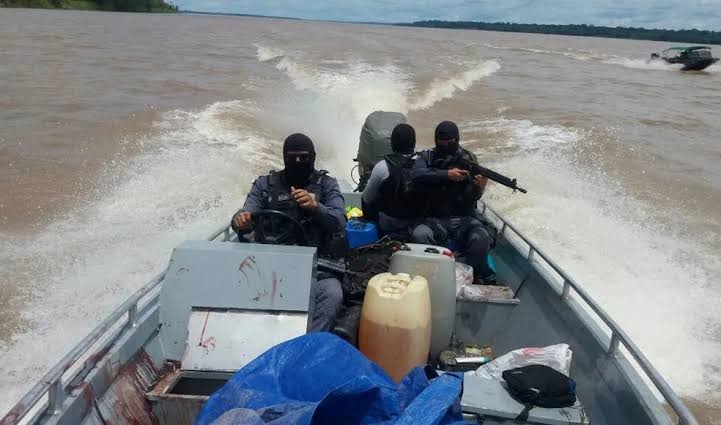
Google Imagenes
Forças de segurança do estado do Amazonas intensificaram os patrulhamentos e capturaram suspeitos de pirataria armada no curso do Rio Solimões. Durante os procedimentos, foram apreendidos milhares de reais e pesos colombianos em espécie, reforçand...read more
Forças de segurança do estado do Amazonas intensificaram os patrulhamentos e capturaram suspeitos de pirataria armada no curso do Rio Solimões. Durante os procedimentos, foram apreendidos milhares de reais e pesos colombianos em espécie, reforçando a vigilância na calha fluvial entre Manaus e a fronteira.
Refuerzan monitoreo ambiental y social en la Amazonía colombiana
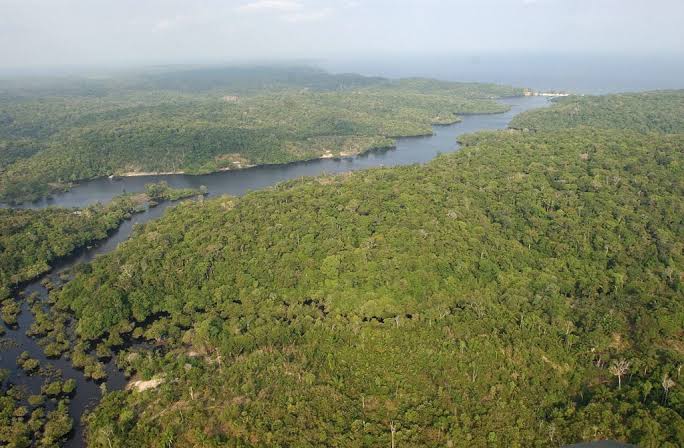
EFE Verde
Instituciones ambientales y de control en el departamento del Amazonas fortalecieron las brigadas de vigilancia sobre deforestación y la protección de fuentes hídricas en la cuenca sur. La iniciativa busca prevenir actividades ilegales e impulsar ...read more
Instituciones ambientales y de control en el departamento del Amazonas fortalecieron las brigadas de vigilancia sobre deforestación y la protección de fuentes hídricas en la cuenca sur. La iniciativa busca prevenir actividades ilegales e impulsar proyectos de desarrollo sostenible para las comunidades locales.
Dieta vegana baja en grasa reduce peso sin contar calorías
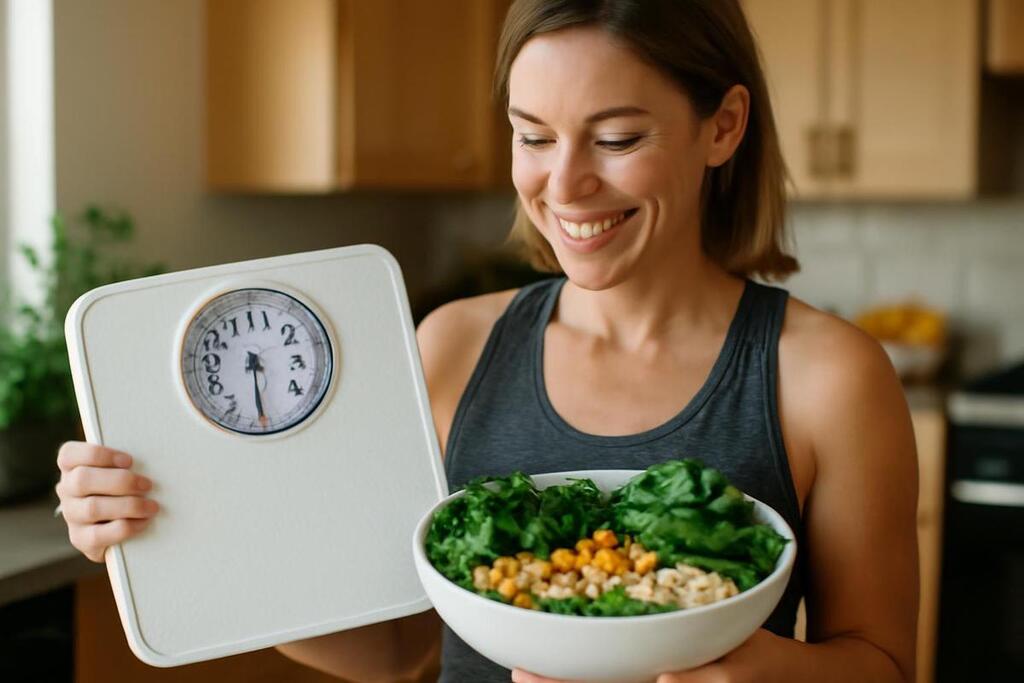
Google Imagenes
Un ensayo clínico enfocado en intervenciones nutricionales demostró que adoptar una dieta vegana baja en grasas permite reducir significativamente el peso corporal y la masa grasa sin necesidad de restringir el tamaño de las porciones ni contar ca...read more
Un ensayo clínico enfocado en intervenciones nutricionales demostró que adoptar una dieta vegana baja en grasas permite reducir significativamente el peso corporal y la masa grasa sin necesidad de restringir el tamaño de las porciones ni contar calorías. Los investigadores observaron que el cambio en la composición metabólica de los alimentos optimizó la quema de energía en reposo y el control glucémico de los participantes.
Aeronaves de la NASA revelan detalles inéditos del eclipse solar
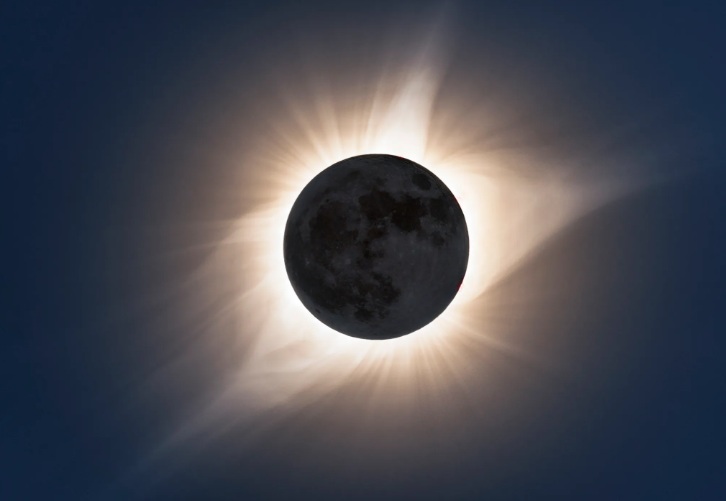
Google Imagenes
Los primeros análisis de datos del eclipse solar reciente revelaron detalles inéditos sobre la corona solar gracias al uso de aeronaves WB-57 de la NASA. Volando a 15.000 metros de altura, los instrumentos captaron una prominencia masiva en el bor...read more
Los primeros análisis de datos del eclipse solar reciente revelaron detalles inéditos sobre la corona solar gracias al uso de aeronaves WB-57 de la NASA. Volando a 15.000 metros de altura, los instrumentos captaron una prominencia masiva en el borde oriental del Sol y generaron más de dos terabytes de imágenes multiespectrales, abriendo una nueva etapa para comprender las estructuras de la atmósfera solar y perfeccionar la predicción de la meteorología espacial.
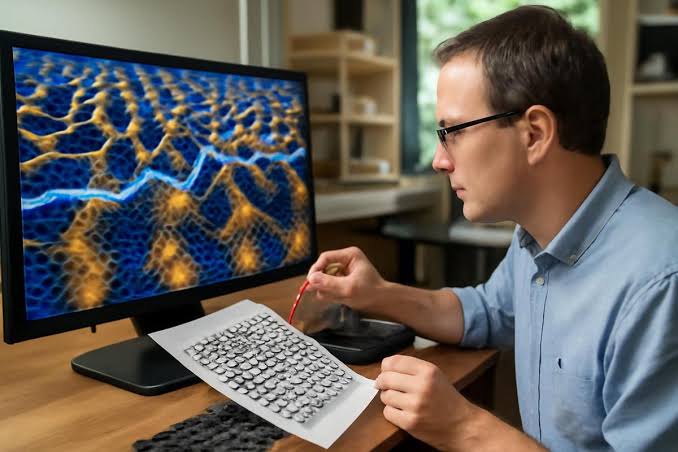
Arrugas nanométricas en el grafeno revolucionan la electrónica
Google Imagenes
En el campo de los materiales avanzados, físicos lograron demostrar que pequeñas arrugas a escala nanométrica en láminas de grafeno alteran radicalmente su comportamiento eléctrico. Esta deformación física controlada genera una separación de carga...read more
En el campo de los materiales avanzados, físicos lograron demostrar que pequeñas arrugas a escala nanométrica en láminas de grafeno alteran radicalmente su comportamiento eléctrico. Esta deformación física controlada genera una separación de carga inusualmente fuerte, permitiendo el diseño de componentes electrónicos de consumo ultrabajo y sensores flexibles sin necesidad de cambiar la composición química del material.
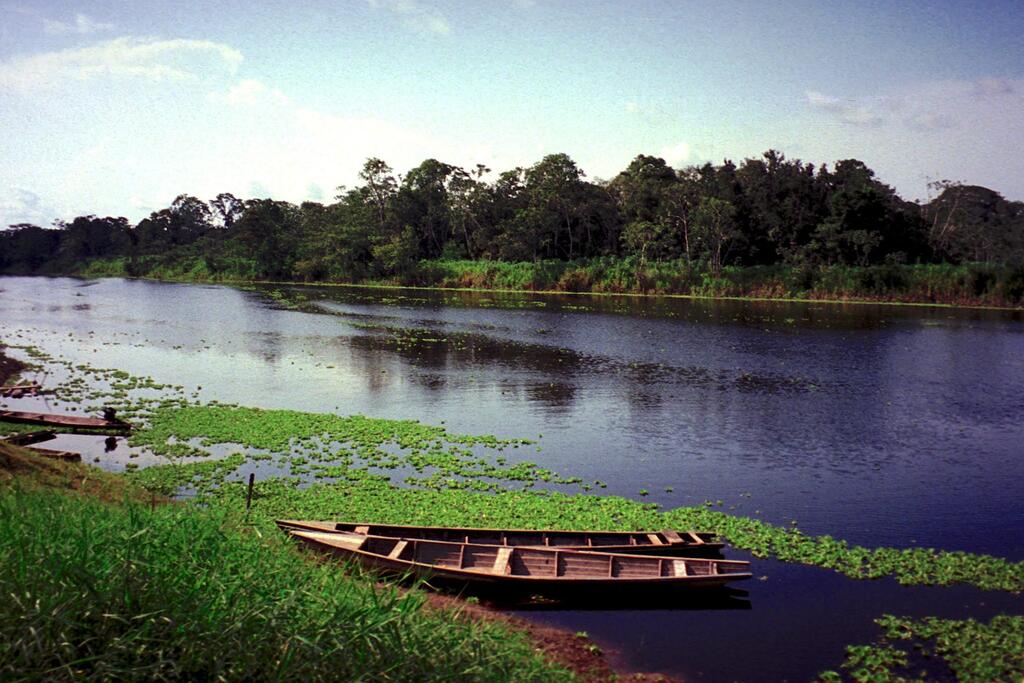
Perú impulsa proyectos de conectividad y comercio en la región Loreto
Google imagenes
El gobierno peruano anunció la ejecución de intervenciones prioritarias en infraestructura de transporte y conectividad digital para la provincia de Mariscal Ramón Castilla y la ciudad de Iquitos, buscando dinamizar el comercio bilingüe e intrarre...read more
El gobierno peruano anunció la ejecución de intervenciones prioritarias en infraestructura de transporte y conectividad digital para la provincia de Mariscal Ramón Castilla y la ciudad de Iquitos, buscando dinamizar el comercio bilingüe e intrarregional en la triple frontera.
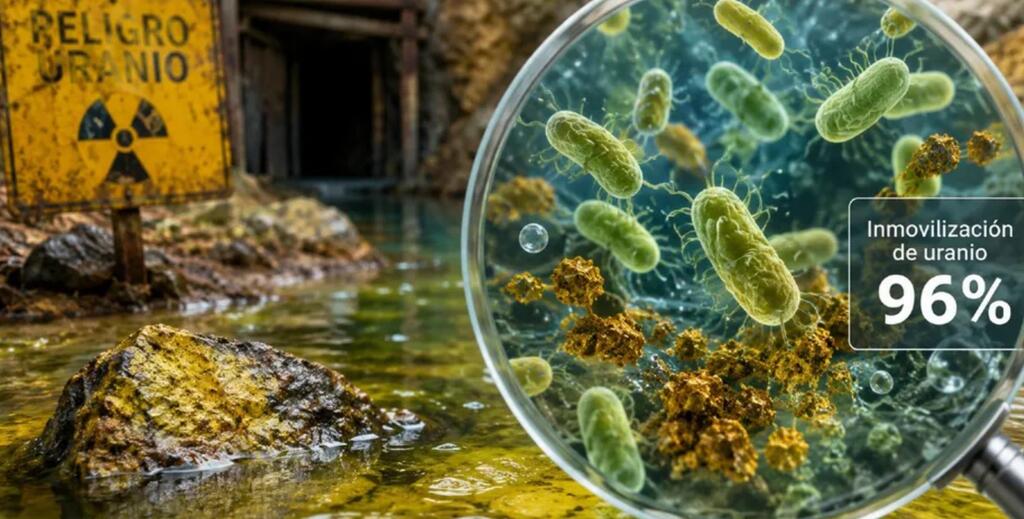
Bacterias nativas se convierten en aliadas contra el uranio en el agua
Google Imagenes
Expertos en microbiología y geoquímica descubrieron que bacterias nativas en aguas subterráneas contaminadas con uranio son capaces de inmovilizar este metal pesado de forma natural. Al ser estimulados con glicerol, los microorganismos lograron at...read more
Expertos en microbiología y geoquímica descubrieron que bacterias nativas en aguas subterráneas contaminadas con uranio son capaces de inmovilizar este metal pesado de forma natural. Al ser estimulados con glicerol, los microorganismos lograron atrapar y eliminar hasta el 95% del uranio disuelto en cuestión de meses, lo que abre una alternativa biotecnológica limpia y de bajo costo para la remediación de acuíferos amenazados.
Uma embarcação foi invadida por piratas fortemente armados durante uma viagem pelo rio Solimões, nas proximidades do município de Maraã, no interior do Amazonas.
Fonte : Manaus, história e notícia - Facebook
Sabrina Vargas representa a Leticia en el Miss Universe Colombia
Facebook - Sabrina Vargas
La joven leticiana Sabrina Vargas se encuentra representando formalmente al departamento del Amazonas en el certamen Miss Universe Colombia. Su participación marca la presencia de la región amazónica en uno de los eventos de belleza de mayor traye...read more
La joven leticiana Sabrina Vargas se encuentra representando formalmente al departamento del Amazonas en el certamen Miss Universe Colombia. Su participación marca la presencia de la región amazónica en uno de los eventos de belleza de mayor trayectoria a nivel nacional. La candidata compite en el escenario junto a las demás delegadas de los diferentes departamentos del país por el título de la mujer más bella de Colombia.